

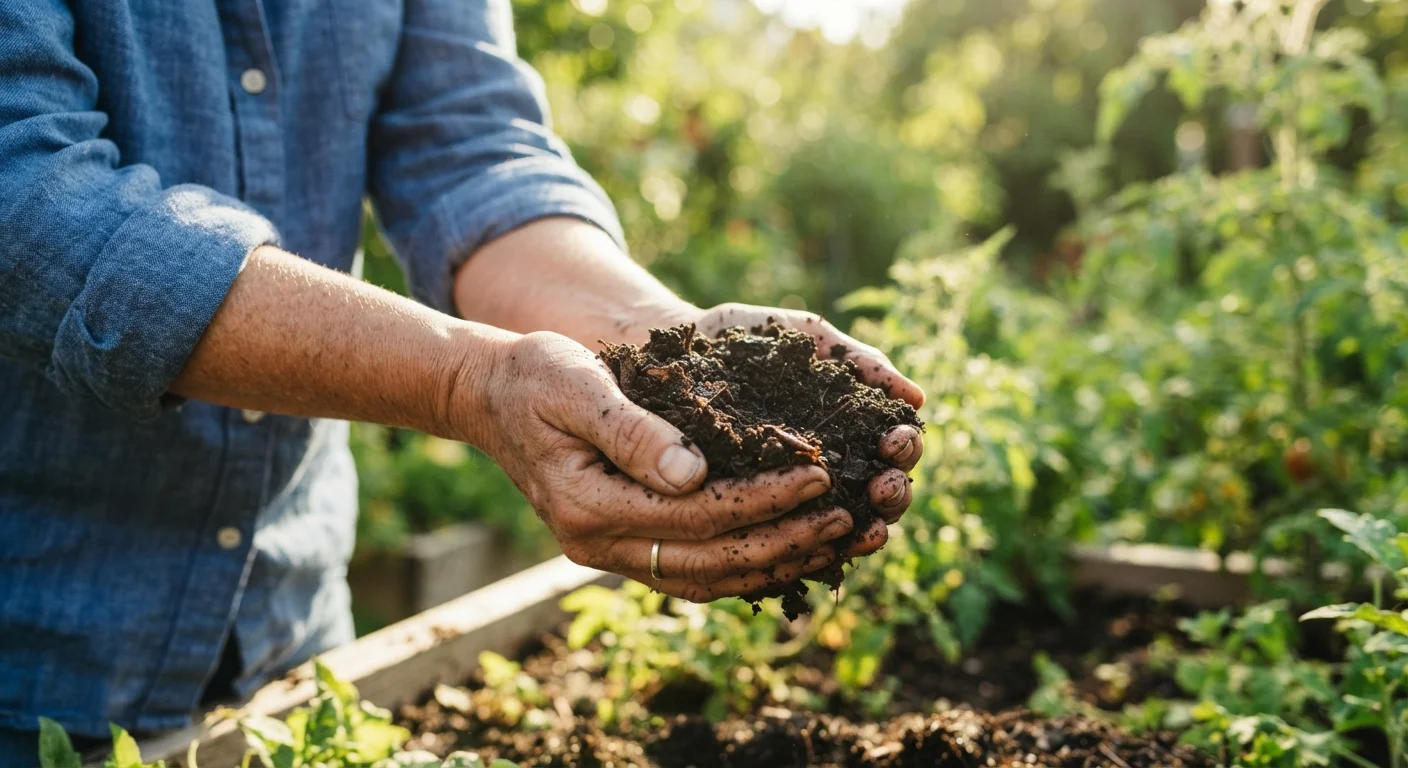
Why pH Is the Hidden Variable in Your Garden
You've amended the soil, watered consistently, and fertilized on schedule — yet plants still look pale, stunted, or just unhappy. One of the most overlooked reasons is soil pH. When pH is off, plants physically cannot absorb the nutrients already present in your soil, no matter how much you add. It's like locking a full pantry and wondering why everyone is hungry.
Nutrients like iron, manganese, and phosphorus become chemically bound in soil that is too alkaline, effectively hiding them from roots. In overly acidic soil, other elements — including aluminum — can reach levels that are toxic to plants. pH is the chemical environment that controls all of this, which is why understanding it is foundational to a healthy garden. For gardeners building a productive space from the ground up, getting soil basics right early saves a lot of troubleshooting later.
6.0–7.0
Optimal pH range for most vegetables
University extension programs consistently identify this range as where nutrient availability peaks for common food crops.
~1 unit
Maximum safe pH adjustment per season
Soil scientists generally advise against attempting to shift pH by more than one unit in a single growing season to avoid stressing plants and soil biology.
2–3 years
Recommended soil testing interval
Most cooperative extension services recommend retesting garden soil every two to three years to monitor pH drift and nutrient levels.
How to Test Your Soil pH
Testing is the only way to know where your pH actually stands. Garden-center test kits use color-indicating liquids or strips and cost just a few dollars — they give a ballpark reading that's useful for spotting a major problem. Digital pH meters are more precise and reusable, though they require calibration and proper probe care.
For the most reliable results, your local cooperative extension service (a network of university-based programs in every US state) typically offers soil testing for a nominal fee. They'll return a detailed report with pH, nutrient levels, and specific amendment recommendations tailored to your region's soil type.
Test Before You Amend
Never add lime or sulfur based on guesswork alone. Over-correcting pH can cause new nutrient imbalances that are just as damaging as the original problem. Always let a soil test guide the type and quantity of any amendment you apply.
Collect soil from at least five different spots in your garden bed, mix them thoroughly, and submit or test that combined sample. Soil pH can vary considerably across even a small plot, so a blended sample gives a more accurate picture of what your plants are actually experiencing.
Adjusting pH: Raising and Lowering It Safely
Once you know your pH, you can correct it — but it's a slow process, not a quick fix. For soil that is too acidic (pH below 6.0), ground limestone is the standard solution. Apply it according to your soil test guidance, work it into the top several inches, and expect results over a few months. Dolomitic lime is a popular choice because it also contributes calcium and magnesium.
For alkaline soil (pH above 7.5), elemental sulfur is the go-to amendment. Soil bacteria transform it into an acid over weeks to months. Incorporating acidic organic matter — such as composted pine bark — can also help nudge pH downward gradually.
Amendment Amounts Vary by Soil Type
Clay soils require significantly more lime or sulfur to shift pH than sandy soils, because clay has a higher buffering capacity. Your soil test report should specify amounts based on your actual soil texture — generic package label rates are often a rough starting point only. When in doubt, apply less and retest.
Because pH changes take time, gardeners dealing with difficult native soil sometimes find that raised beds offer a practical workaround, allowing you to start with a known, balanced growing medium rather than rehabilitating existing ground. Pairing good pH management with smart mulching practices also helps stabilize soil conditions over time.
Keeping pH Stable Over Time
pH doesn't stay fixed. Rainfall, irrigation water, fertilizers, and decomposing organic matter all shift it gradually. Testing every two to three years — or any time you notice widespread yellowing or poor growth — keeps you ahead of problems before they affect an entire season's harvest.
Choosing plants that match your soil's natural pH range is equally smart. Blueberries and azaleas prefer distinctly acidic conditions, while lavender and lilacs tolerate more alkaline soil. If you're growing a mixed garden, pairing plants with similar pH preferences can reduce the need for constant adjustment. Understanding pH is just one piece of the puzzle — consistent watering habits also play a significant role in how nutrients move through the soil to plant roots.
“Soil is a living system. When you understand its chemistry — especially pH — you stop fighting your garden and start working with it.”
— Extension Soil Specialist, University Cooperative Extension Program
Frequently Asked Questions
Most vegetables thrive in a pH range of 6.0 to 7.0, which is slightly acidic to neutral. Within this range, nutrients like nitrogen, phosphorus, and potassium are most available to plant roots. Some crops, like potatoes and blueberries, prefer slightly more acidic conditions around 5.0 to 5.5.
You can use an inexpensive home test kit or digital pH meter from a garden center. For more accurate results, consider sending a sample to your local cooperative extension service — they often test for a small fee and provide amendment recommendations. Collect soil from several spots in your garden and mix them together for a representative reading.
Ground limestone (lime) is the most common amendment for raising pH in acidic soil. Dolomitic lime also adds calcium and magnesium. Work it into the top several inches of soil and retest after a few months, since changes take time to register.
Elemental sulfur is the standard amendment for acidifying alkaline soil. Soil bacteria convert it into sulfuric acid over weeks to months. Composted pine bark and peat moss can also gently lower pH over time when worked into beds.
No. Soil pH adjustments are gradual processes that unfold over weeks or months. Large swings — more than one pH unit — may require multiple applications over a full growing season. Patience and retesting are essential parts of the process.
Tap water with a high mineral content (hard water) can slowly raise soil pH over time, particularly in container gardens. Rainwater is generally neutral to slightly acidic. If you notice pH creeping up despite amendments, your water source may be a contributing factor.
The content provided on our blog site traverses numerous categories, offering readers valuable and practical information. Readers can use the editorial team’s research and data to gain more insights into their topics of interest. However, they are requested not to treat the articles as conclusive. The website team cannot be held responsible for differences in data or inaccuracies found across other platforms. Please also note that the site might also miss out on various schemes and offers available that the readers may find more beneficial than the ones we cover.