

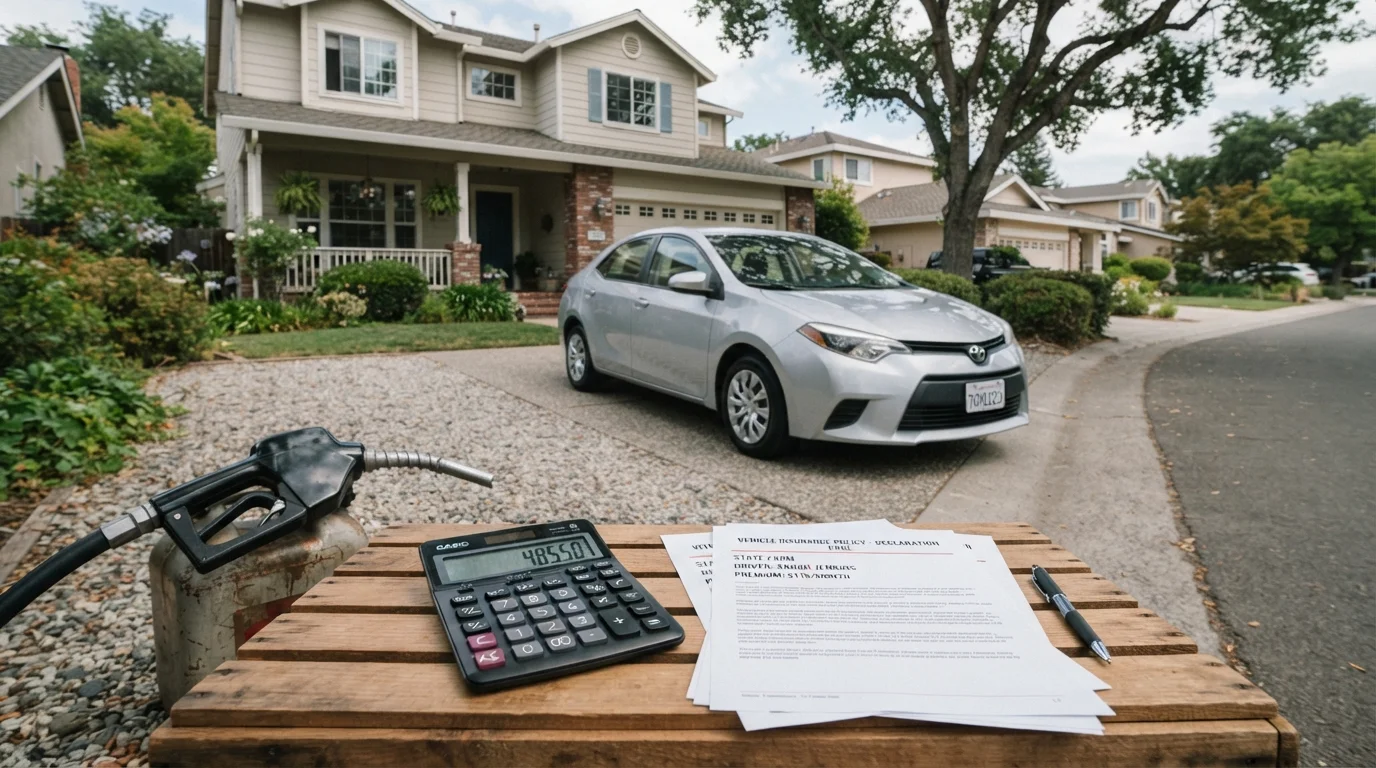
Why the Sticker Price Is Just the Starting Point
When most people shop for a vehicle, their attention lands on a single number: the price listed on the window sticker. That figure is concrete, comparable, and easy to negotiate. What's harder to see — but far more important to your long-term finances — is every dollar that follows the purchase.
Automotive cost research consistently shows that ongoing expenses over a five-year period can total more than double the original purchase price. The sticker price determines what you owe on day one. Total cost of ownership determines what the vehicle actually costs you across its time in your driveway.
Whether you're buying new, used, or certified pre-owned, building a realistic ownership budget before you commit is one of the most valuable steps a car buyer can take. Our overview of what new, used, and CPO labels actually mean can help you evaluate which category fits your financial situation.
~$11,000
Estimated average annual cost to own and operate a vehicle
Based on AAA's annual 'Your Driving Costs' study methodology, combining depreciation, insurance, fuel, maintenance, and financing for a typical new vehicle.
20%
Typical first-year depreciation on a new vehicle
Industry estimates commonly cite a 15–20% drop in market value during the first year after purchase, with continued decline in subsequent years.
50%
Value loss within five years for many new vehicles
Many new vehicles retain only around half their original purchase price after five years, making depreciation the dominant lifetime ownership cost for most buyers.
The Six Core Cost Categories Every Owner Faces
Breaking down the total cost of ownership into its component parts makes it far easier to estimate, compare, and manage.
1. Depreciation
Depreciation — the decline in a vehicle's resale value over time — is typically the single largest cost of ownership, yet it never shows up as a bill. New vehicles lose value fastest in the early years. For a deeper look at how and why this happens, see our companion piece on why cars lose value faster than you expect.
2. Financing Interest
Unless you pay cash, you'll pay interest on your auto loan. Interest rate, loan term, and loan amount all shape the total paid. Stretching payments over six or seven years reduces monthly outlay but significantly increases the total interest paid — and increases the risk of owing more than the car is worth. Our guide to financing vs. leasing walks through how both arrangements affect your total spend.
3. Insurance
Auto insurance is both legally required in most states and highly variable. Premiums depend on your driving history, location, the vehicle's safety ratings, its repair costs, and coverage levels you choose. Sports vehicles, luxury models, and vehicles with expensive parts generally cost more to insure.
4. Fuel
Fuel is the most visible recurring cost — you pay it weekly or monthly. Vehicle fuel economy (measured in miles per gallon for gasoline vehicles or MPGe for electric) directly determines how much you spend. A vehicle that gets 20 mpg costs roughly twice as much to fuel as one rated at 40 mpg under identical driving conditions.
5. Maintenance and Repairs
Routine maintenance is predictable and manageable; unexpected repairs are not. Following the manufacturer's recommended service schedule — covered in detail in our car maintenance guide for new drivers — helps prevent small issues from becoming expensive failures. Older vehicles and high-mileage vehicles typically carry higher repair risk.
6. Registration, Taxes, and Fees
Annual registration fees, state taxes, and in some areas emissions inspection costs add a predictable but often overlooked line item to your yearly budget. These vary considerably by state.
Build Your Ownership Budget Before You Shop
Before visiting a dealership, estimate your projected annual costs for insurance (get a quote for the specific vehicle), fuel (based on your typical mileage and local gas prices), and routine maintenance. Adding these to your expected loan payment gives you a realistic monthly ownership figure — not just a loan payment. This single step prevents the most common source of buyer's remorse in vehicle purchases.
Making Cost Comparisons That Actually Help
Two vehicles priced identically at the dealership can have dramatically different five-year ownership costs. A vehicle with lower fuel economy, higher insurance premiums, or faster depreciation will cost meaningfully more over time — even if it appeared to be the same value at the point of purchase.
Approaching any vehicle purchase with a per-year or per-mile cost estimate — rather than just a monthly payment — gives you a clearer financial picture. Resources like government fuel economy databases and published cost-of-ownership analyses can help you build this comparison before visiting a dealership.
For buyers weighing different vehicle conditions, our checklist on what to inspect before buying a used car can help surface hidden maintenance risks before you commit.
“The monthly payment is what dealers talk about. The total cost of ownership is what you should be focused on. They are rarely the same conversation.”
— Cars & Driving Editorial Team, Editorial guidance for everyday US vehicle buyers
Frequently Asked Questions
Annual ownership costs vary widely by vehicle type and location, but industry estimates have often placed the average between $10,000 and $12,000 per year when depreciation, insurance, fuel, maintenance, and financing are combined. Your actual figure depends on your driving habits, chosen vehicle, and local rates.
For most new vehicle owners, yes. A new car can shed roughly 15–20% of its value in the first year and up to 50% within five years. This loss isn't a cash payment you make, but it directly affects the amount you recoup when you sell or trade in. See our related guide on <a href="/cars-driving/buying-owning-a-car/why-your-car-loses-value-faster-than-you-expect">why cars lose value faster than expected</a> for more detail.
Often, but not always. A used vehicle typically has a lower purchase price and slower depreciation rate, but it may carry higher maintenance costs or lack a manufacturer warranty. Our guide to <a href="/cars-driving/buying-owning-a-car/new-car-used-car-or-certified-pre-owned-what-the-labels-actually-mean">new, used, and certified pre-owned vehicles</a> explains the trade-offs of each category.
Longer loan terms lower your monthly payment but increase the total interest paid over the life of the loan. A six- or seven-year loan may also result in you owing more than the car is worth — known as being 'upside down' or 'underwater' — because the vehicle depreciates faster than the balance falls.
Budget for oil changes, tire rotations, brake service, air filters, and periodic fluid replacements at a minimum. Consumer-facing cost guides suggest setting aside roughly 1–2% of a vehicle's value annually for routine upkeep, though older vehicles or those with higher mileage may require more.
Yes. Maintaining your vehicle on schedule reduces the risk of costly repairs, shopping around for insurance at renewal can lower premiums, and combining errands to reduce mileage can stretch fuel further. Driving habits also affect fuel economy and brake and tire wear.
The content provided on our blog site traverses numerous categories, offering readers valuable and practical information. Readers can use the editorial team’s research and data to gain more insights into their topics of interest. However, they are requested not to treat the articles as conclusive. The website team cannot be held responsible for differences in data or inaccuracies found across other platforms. Please also note that the site might also miss out on various schemes and offers available that the readers may find more beneficial than the ones we cover.