

Summary
22 items · 45–90 minutes on-site, plus additional time for paperwork review
Why a Structured Pre-Purchase Checklist Matters
Buying a used car without a systematic inspection is one of the most common — and expensive — mistakes everyday consumers make. Problems hidden under fresh paint or masked by a recent detail job can cost thousands in repairs within months of purchase. A structured checklist removes guesswork and gives you concrete evidence to inform your decision.
Before you arrive at the lot or a private seller's driveway, it helps to understand what category of vehicle you're evaluating. Learn what certified pre-owned and used designations actually mean — the inspection standards and warranties attached to each differ significantly.
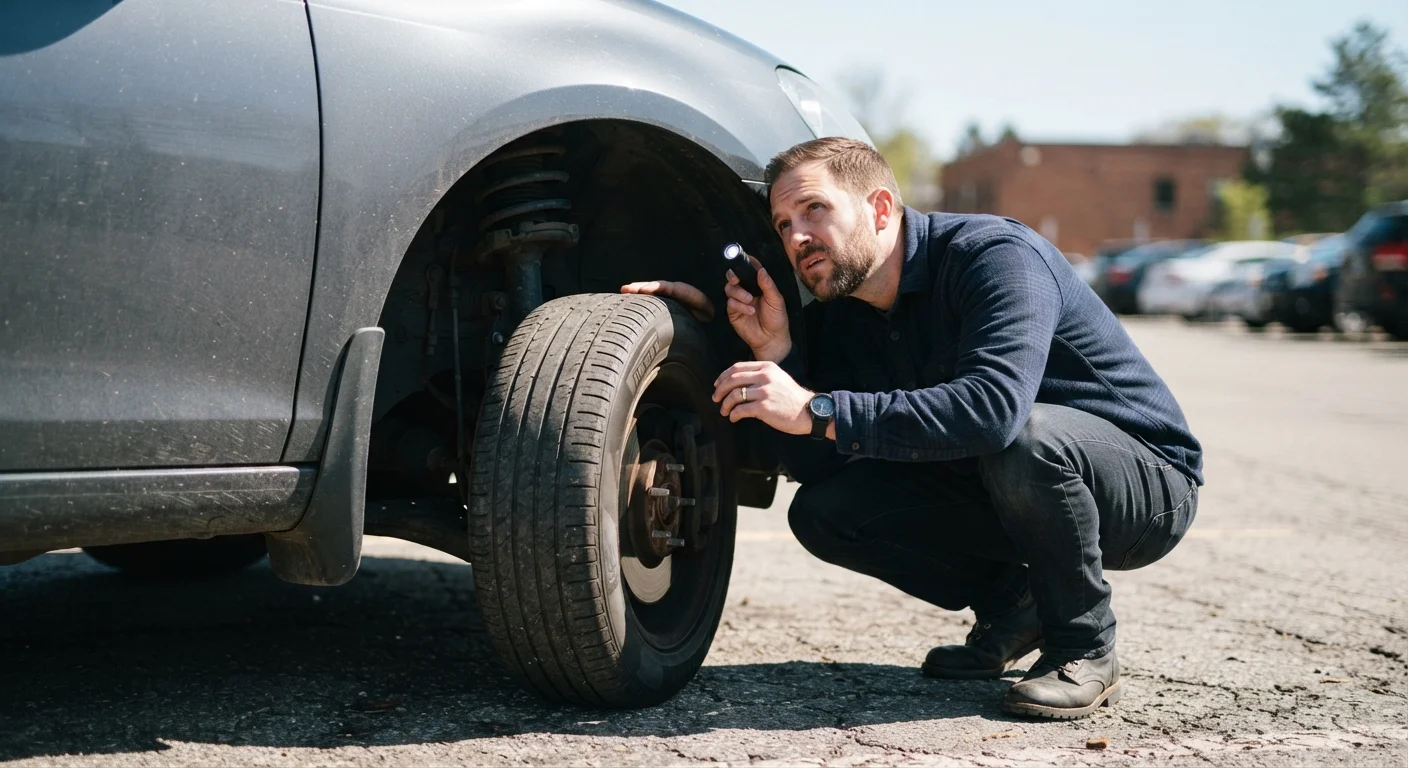
Use the tools and checklist groups below as your on-site guide. Bring a flashlight, wear clothes you don't mind getting dirty, and plan to spend at least 45 minutes before you commit to anything.
Flashlight or work light
Illuminate dark areas under the hood, beneath the car, and inside door jambs where damage is easy to miss.
Tread depth gauge
Measure remaining tire tread accurately rather than relying on visual estimation alone.
Vehicle history report service
Pull the car's documented accident history, title status, odometer readings, and reported service records using its VIN.
OBD-II scanner
Read any stored diagnostic trouble codes from the vehicle's onboard computer, which may indicate pending or active mechanical issues.
Independent mechanic
Conduct a professional pre-purchase inspection to identify structural, mechanical, or safety issues beyond what a layperson can assess.
How to Work Through the Checklist
Work from the outside in — exterior first, then interior, then under the hood, then underneath the vehicle — before finishing with the paperwork and a test drive. This order ensures you don't miss sections and mirrors the logical flow a qualified mechanic would follow.
Always Get an Independent Mechanic Inspection
No matter how clean a car looks or how well a seller presents it, an independent pre-purchase inspection by a qualified mechanic is one of the most valuable steps you can take. A licensed mechanic can identify worn suspension components, hidden rust, compression issues, and other costly problems that are invisible to the untrained eye. Budget roughly $100–$200 for this inspection — it can save you far more in avoided repairs.
Pair your hands-on inspection with a vehicle history report. Understand what accident records, title status, and odometer readings in a vehicle history report actually tell you — and what they can't. A clean report does not guarantee a clean car; undocumented damage and cash-repair work won't appear.
Once you've bought, ongoing upkeep matters just as much. Our seasonal car maintenance checklist will help you keep the vehicle in good shape through changing conditions. And before factoring in the purchase price alone, consider reviewing the true ongoing cost of car ownership to budget accurately.
Exterior Condition
Interior & Electronics
Under the Hood
Test Drive
Paperwork & Ownership
Don't Let Urgency Rush Your Inspection
Sellers — private or dealer — may create a sense of urgency by suggesting other buyers are interested. Take the time you need. A legitimate seller will allow you to inspect the car thoroughly and seek a mechanic's opinion. If pressure tactics prevent a full inspection, treat that as a significant warning sign and be prepared to walk away.
Salvage and Rebuilt Titles Carry Special Risks
A salvage title means the vehicle was declared a total loss by an insurer; a rebuilt title indicates it was subsequently repaired and passed a state inspection. These designations affect insurability, resale value, and can reflect structural damage that is difficult to fully assess. Verify title status through the history report and your state's DMV before proceeding.
The content provided on our blog site traverses numerous categories, offering readers valuable and practical information. Readers can use the editorial team’s research and data to gain more insights into their topics of interest. However, they are requested not to treat the articles as conclusive. The website team cannot be held responsible for differences in data or inaccuracies found across other platforms. Please also note that the site might also miss out on various schemes and offers available that the readers may find more beneficial than the ones we cover.