

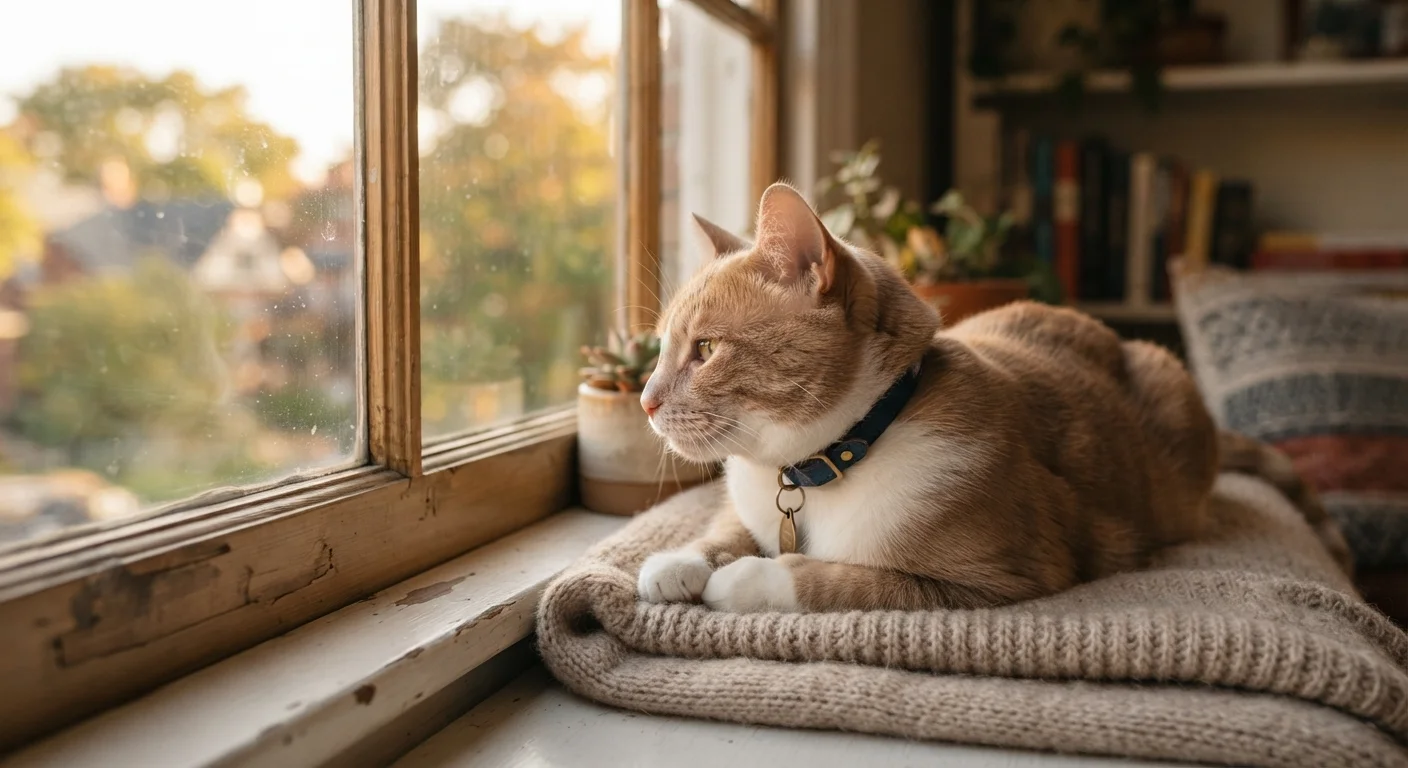
Where the "Independent Cat" Myth Comes From
The idea that cats are solitary, self-sufficient animals with little need for human connection is one of the most persistent beliefs in pet ownership. It likely stems from cats' evolutionary history — unlike dogs, domestic cats (Felis catus) descended from largely solitary wild ancestors rather than pack animals. This background shaped their body language and communication style in ways that can look like indifference to the untrained eye.
But domestication changed the equation. Over thousands of years of living alongside humans, cats developed real social behaviors and emotional responses directed at the people who care for them. Research in animal behavior increasingly challenges the lone-wolf — or lone-cat — narrative. Understanding what the science actually says can help you meet your cat's needs more effectively and strengthen the bond you share.
For a deeper look at how your cat expresses itself, see what your cat's body language is actually telling you.
Myth
Cats don't need social interaction — they prefer to be left alone.
Fact
Research shows cats form secure attachments to their owners, similar in some ways to the bonds seen in dogs and even young children.
A 2019 study published in Current Biology by researchers at Oregon State University found that the majority of cats tested showed secure attachment to their owners — meaning they used their owner as a safe base to explore from and returned to them when stressed. This mirrors the attachment patterns seen in dogs and human infants. Cats do value personal space, but that is not the same as not needing connection.
Myth
It's fine to leave a cat alone all day without any stimulation.
Fact
Cats left in understimulating environments regularly can develop anxiety, destructive behaviors, and even stress-related physical symptoms.
While cats are not pack animals that require constant companionship, they are not designed for prolonged isolation or bare environments. Boredom and chronic under-stimulation are linked to behaviors like excessive grooming, aggression, and inappropriate elimination. Indoor cats in particular need mental engagement — hunting-style play, climbing opportunities, and environmental variety — to stay behaviorally and physically healthy.
Myth
A purring cat is always a happy cat.
Fact
Cats purr for a range of reasons, including when they are anxious, in pain, or even nearing death.
Purring is often associated with contentment, and it can certainly signal that. But cats also purr as a self-soothing mechanism during stress, illness, or injury. Some researchers suggest the vibration frequency of a cat's purr (roughly 25–50 Hz) may even have a mild physiological calming effect on the cat itself. The takeaway: purring alone is not a reliable indicator that everything is fine. Context — posture, ears, eye shape — matters enormously.
Myth
Cats don't really communicate with humans the way dogs do.
Fact
Cats have actually developed a specific communication repertoire — including a unique meow — directed almost exclusively at humans.
Adult cats rarely meow at other cats. Researchers believe meowing as adult-to-adult communication is largely a behavior cats developed to interact with people. Cats also use slow blinks, head bunting (rubbing their head against you), and tail position to convey mood and intent. These signals are quieter and less obvious than a dog's tail wag, but they are no less real. Learning to read them meaningfully improves the owner-cat relationship.
Myth
Cats are naturally solitary and don't benefit from the company of other cats.
Fact
While cats are not obligate social animals, many — particularly those socialized early — can thrive with compatible feline companions.
Cats exist on a spectrum of sociability. Feral colonies demonstrate that cats can and do form social bonds when resources allow. Domestic cats raised around other cats often benefit from companionship, especially during long owner absences. That said, forced cohabitation with an incompatible cat can cause significant stress. Compatibility, careful introduction, and adequate space are the key variables — not a blanket rule about species-wide antisociality.
What Cat Owners Can Do Differently
Correcting these misconceptions isn't just an intellectual exercise — it has real consequences for how you care for your cat day to day.
65.1%
Cats showing secure attachment in research
A 2019 Oregon State University study found roughly 65% of cats tested displayed secure attachment behaviors toward their owners.
2–3x
Higher stress risk from barren environments
Veterinary behaviorists note that cats in environments lacking enrichment are significantly more likely to develop stress-related behavioral issues.
- Schedule regular interactive play. Daily play sessions that mimic hunting behavior (using wand toys or puzzle feeders) address both physical and psychological needs. Aim for at least two short sessions per day.
- Watch for stress signals. Hiding more than usual, changes in appetite, or increased vocalization can all indicate that something is off. Cats often conceal discomfort, so these subtle cues matter.
- Enrich the environment. Vertical spaces, window perches, and rotating toys reduce boredom — especially for indoor cats. Setting up your home to keep a cat mentally stimulated offers practical guidance on this.
- Consider companionship carefully. A second cat is not always the answer, but socialized cats often benefit from compatible feline company. Introductions should be gradual and managed.
Behavioral Changes Warrant a Vet Visit
Sudden shifts in your cat's behavior — increased hiding, changes in appetite, altered litter box habits, or unusual aggression — should be evaluated by a veterinarian. These changes can signal underlying medical conditions, not just personality quirks. Never assume a behavior change is simply your cat "being independent" without ruling out a health cause first.
If you're preparing to bring a cat home for the first time, building good habits from the start matters. Bringing a cat home for the first time walks you through creating a routine that supports your cat's adjustment and long-term wellbeing.
This article is for general informational purposes only and is not a substitute for professional veterinary advice. If you have concerns about your cat's health or behavior, consult a licensed veterinarian or certified animal behaviorist.
The content provided on our blog site traverses numerous categories, offering readers valuable and practical information. Readers can use the editorial team’s research and data to gain more insights into their topics of interest. However, they are requested not to treat the articles as conclusive. The website team cannot be held responsible for differences in data or inaccuracies found across other platforms. Please also note that the site might also miss out on various schemes and offers available that the readers may find more beneficial than the ones we cover.