

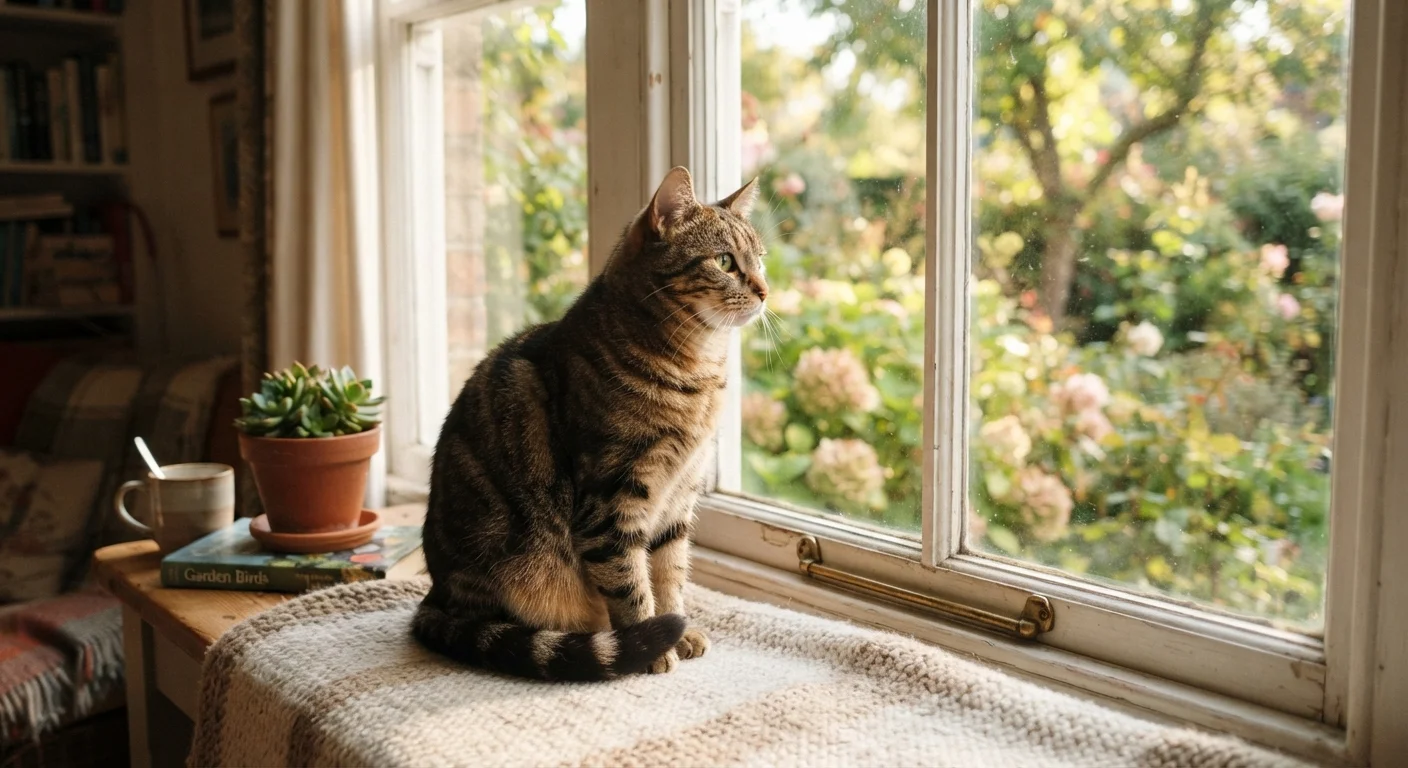
Option A
Indoor Cat
The protected, enrichment-dependent lifestyle.
Best for: Owners who can actively provide mental stimulation, play, and a safe, engaging home environment.
Option B
Outdoor Cat
The free-roaming, instinct-driven lifestyle.
Best for: Cats in low-traffic, low-predator environments whose owners accept the inherent safety tradeoffs.
Lifespan and Physical Health
One of the most frequently cited differences between indoor and outdoor cats is lifespan. Veterinary and shelter data consistently suggest that indoor-only cats live considerably longer on average — often into their mid-to-late teens — while outdoor cats may average significantly fewer years, depending on the environment. The gap is largely explained by hazard exposure rather than any intrinsic biological difference.
Outdoor cats face risks that are difficult to mitigate: vehicle collisions, attacks from dogs or wildlife, ingestion of toxins (such as rodenticides or antifreeze), and infectious diseases spread through contact with other cats, including feline leukemia virus (FeLV) and feline immunodeficiency virus (FIV). Parasites — fleas, ticks, intestinal worms, and ear mites — are also far more common in cats with outdoor access.
Indoor cats are shielded from these threats, but they carry their own health risks. Without active management, indoor cats tend toward lower activity levels, which can contribute to obesity, urinary tract issues, and diabetes over time. Routine veterinary care is essential for both lifestyles, but the types of preventive care each cat needs will differ.
| Criterion | Indoor Cat | Outdoor Cat |
|---|---|---|
| Average lifespan | 12–18+ years | 5–10 years (varies widely) |
| Disease exposure | Low (minimal contact risk) | High (FeLV, FIV, parasites) |
| Injury risk | Low | High (traffic, predators) |
| Obesity risk | Higher without management | Lower due to activity |
| Behavioral enrichment | Requires active owner effort | Naturally high |
| Wildlife impact | None | Significant predation risk |
| Parasite prevention | Less frequent treatment needed | Regular, ongoing treatment needed |
Behavioral Wellbeing and Mental Stimulation
Cats are predators with strong instincts for hunting, territory exploration, and sensory engagement. Outdoor access provides natural outlets for all of these — novel smells, prey movement, varied terrain, and the physical exertion of climbing and chasing. For some cats, particularly those with a history of outdoor living, confinement can produce chronic stress, boredom-related behaviors (such as overgrooming or destructive scratching), and even anxiety.
That said, indoor cats can thrive when owners invest in deliberate enrichment. Puzzle feeders, window perches, cat trees, rotating toys, and regular interactive play sessions replicate many of the cognitive and physical challenges the outdoors provides. Our guide to setting up your home to keep a cat mentally stimulated walks through practical, evidence-based approaches for indoor environments.
It's also worth challenging the assumption that all cats want to roam freely. As explored in myths about cat independence, feline behavior is more nuanced than the stereotypes suggest. Many cats are content — and secure — in a stimulating indoor setting.
10–15 yrs
Typical indoor cat lifespan
The American Veterinary Medical Association notes indoor cats generally live significantly longer than their outdoor counterparts.
~1.3–4B
Birds killed by US cats annually
A study published in Nature Communications estimated free-ranging domestic cats kill between 1.3 and 4 billion birds per year in the contiguous US.
50%+
Of US cats are overweight
The Association for Pet Obesity Prevention has reported that over half of domestic cats in the US are classified as overweight or obese, a trend linked to sedentary indoor lifestyles.
Finding the Right Balance for Your Cat
The indoor vs. outdoor decision rarely needs to be absolute. Several middle-ground approaches allow cats to experience outdoor stimulation with reduced risk:
- Catios: Enclosed outdoor structures attached to a window or door that let cats experience fresh air, sunlight, and outdoor sounds safely.
- Leash walking: Some cats can be trained to walk on a harness and leash, providing outdoor enrichment under direct supervision.
- Supervised yard time: In low-traffic, fenced areas, brief monitored outdoor sessions can offer enrichment without full free-roaming risk.
Your cat's individual history matters. A cat that has always been indoors may show little interest in going outside, while a former stray may experience genuine distress when confined. If you're navigating this decision as part of welcoming a new pet, our guide to bringing a cat home for the first time covers how to read your cat's cues and set a healthy foundation. Nutrition also plays a role — activity level influences caloric needs, and understanding feline nutrition can help you align your cat's diet with its lifestyle.
Transitioning an Outdoor Cat Indoors
Moving a cat from outdoor to indoor living requires a gradual, patient approach. Abrupt confinement can cause stress behaviors such as vocalization, house-soiling, or aggression. Introduce enrichment tools progressively and give the cat time to adjust. Your veterinarian can offer tailored guidance if behavioral issues arise during the transition.
This article is for general informational purposes only and does not constitute veterinary advice. Consult a licensed veterinarian with questions about your specific cat's health, behavior, or environment.
The content provided on our blog site traverses numerous categories, offering readers valuable and practical information. Readers can use the editorial team’s research and data to gain more insights into their topics of interest. However, they are requested not to treat the articles as conclusive. The website team cannot be held responsible for differences in data or inaccuracies found across other platforms. Please also note that the site might also miss out on various schemes and offers available that the readers may find more beneficial than the ones we cover.