

Our Verdict
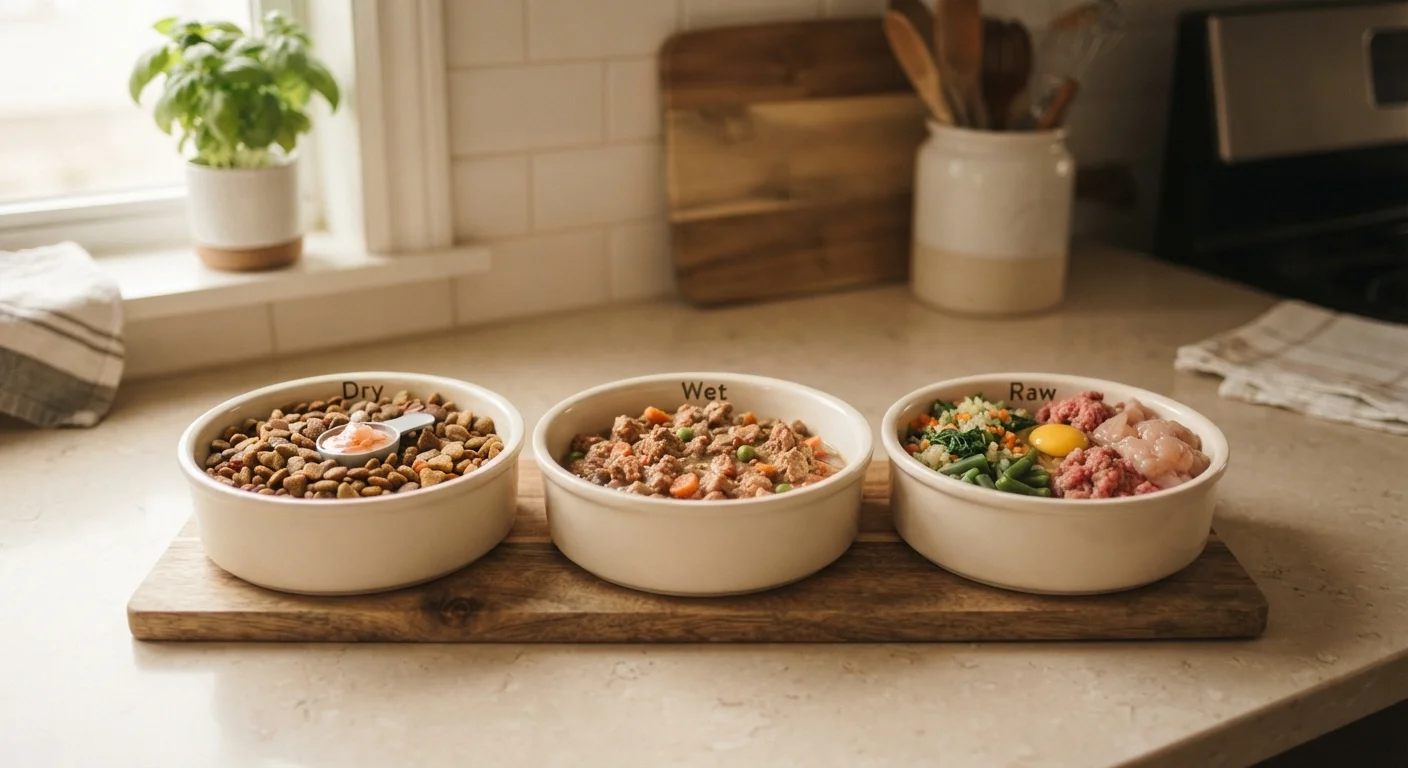
Each diet type — dry, wet, and raw — has genuine strengths and real limitations. Wet food is often considered a strong default for most cats due to its high moisture content and palatability, while dry food offers convenience and dental benefits. Raw feeding can work well when handled carefully and formulated correctly, but it demands more effort and carries higher risk. The right choice depends on your cat's individual health needs, your household situation, and guidance from your veterinarian.
| Best for | Recommended |
|---|---|
| Cats prone to urinary tract issues or low water intake | Wet food |
| Owners seeking convenience and longer shelf life | Dry food |
| Experienced owners wanting a minimally processed, protein-rich diet | Raw diet (with veterinary guidance) |
| Cats with dental health concerns or weight management needs | Dry food (in consultation with a vet) |
Why Feline Nutrition Is Uniquely Demanding
Cats are obligate carnivores — a term meaning their bodies are biologically designed to derive nutrients exclusively from animal-based sources. Unlike dogs or humans, cats cannot synthesize certain essential nutrients on their own. These include taurine (an amino acid critical for heart and eye function), arachidonic acid (a fatty acid), and preformed vitamin A. Without adequate amounts from food, deficiencies can lead to serious health problems.
Cats also have a naturally low thirst drive compared to many other animals, because in the wild they obtain most of their water from prey. This biological quirk makes the moisture content of their diet a significant nutritional consideration. Understanding these fundamentals helps explain why the dry-versus-wet-versus-raw debate matters so much for feline health.
For a broader picture of how diet intersects with your cat's overall wellbeing, see our guide to routine vet care by life stage.
Dry Food: Convenient, But Watch the Carbs
Dry cat food — commonly called kibble — is the most widely used format in the United States. It is shelf-stable, easy to measure, and typically less expensive per serving than other options. Some formulations are designed to support dental health by encouraging chewing, though the evidence for significant plaque reduction is mixed.
The main nutritional concern with dry food is its low moisture content (typically 6–10%) and relatively high carbohydrate content. Cats have limited ability to digest large amounts of carbohydrates, and some research suggests chronically low water intake may contribute to urinary tract problems and kidney strain over time. That said, many cats thrive on high-quality dry diets throughout their lives, particularly when fresh water is always available.
Maximise Hydration on Any Diet
Regardless of which food format you choose, always provide your cat with multiple sources of fresh, clean water. Some cats drink more readily from a circulating water fountain than a still bowl. Increasing hydration is one of the simplest ways to support urinary and kidney health.
If dry food is your primary choice, look for formulations where a named meat source appears as the first ingredient. Cats need protein as their primary calorie source, not grains or starches.
Wet Food: Hydration Built Into Every Meal
Canned or pouch-style wet food typically contains 70–80% moisture, closely approximating the water content of whole prey. This makes it a natural fit for cats' low thirst drive and is frequently recommended by veterinarians for cats with urinary tract disease, kidney disease, or diabetes.
Wet food is generally higher in protein and fat relative to carbohydrates, aligning better with feline metabolic needs. It also tends to be highly palatable, which is helpful for finicky eaters or cats recovering from illness. The trade-offs are cost, shorter shelf life once opened, and the need for refrigeration after opening.
| Dry Food | Wet Food | Raw Diet | |
|---|---|---|---|
| Moisture content | 6–10% | 70–80% | 60–75% (varies) |
| Protein level | Moderate to high | High | Very high |
| Carbohydrate content | Higher | Lower | Very low |
| Shelf life / convenience | Excellent | Moderate (refrigerate after opening) | Low (requires prep or freezing) |
| Food safety risk | Low | Low | Higher (bacteria, parasites) |
| Nutritional completeness | High (if AAFCO-approved) | High (if AAFCO-approved) | Variable (home-prep risks deficiencies) |
| Typical cost per day | Generally lower | Moderate | Moderate to higher |
| Dental benefit | Some chewing action | Minimal | Bone chewing may help |
Wet food does not provide the same mechanical chewing action as kibble, so dental hygiene should be addressed through other means if your cat eats primarily wet food.
Raw Diets: Closer to Nature, Higher in Complexity
Raw feeding — sometimes called a BARF diet — typically includes uncooked muscle meat, organ meat, raw bones, and sometimes vegetables or eggs. Proponents argue it mirrors what cats would eat in the wild and avoids the processing that alters nutrients in commercial foods.
The potential benefits include high protein bioavailability and low carbohydrate content. However, raw diets carry meaningful risks that should not be minimized:
- Bacterial contamination: Raw meat can harbor Salmonella, Listeria, and E. coli — posing health risks to both cats and the humans handling their food.
- Nutritional imbalance: Home-prepared raw diets are frequently found to be deficient in key nutrients, including calcium, phosphorus, and taurine, unless carefully formulated.
- Parasites: Raw fish and some meats may contain parasites that cooking would otherwise eliminate.
If you are considering a raw diet, working with a board-certified veterinary nutritionist to design a nutritionally complete recipe is strongly advised. Commercially prepared raw diets that meet AAFCO nutritional standards reduce — though do not eliminate — some of these risks.
Raw Diets and Immunocompromised Households
The CDC and many veterinary organizations advise against feeding raw meat diets in households with young children, elderly individuals, pregnant people, or anyone with a weakened immune system. Bacterial pathogens shed in a cat's feces after eating raw food can pose real infection risks. Discuss this carefully with both your veterinarian and your family's healthcare providers before starting a raw feeding regimen.
Choosing the Right Diet for Your Cat
No single diet format is universally best. The right choice depends on several converging factors:
- Life stage
- Kittens, adults, and seniors have different caloric and nutrient requirements. Look for foods labeled for your cat's specific life stage or labeled as "all life stages."
- Health conditions
- Cats with kidney disease, diabetes, food allergies, or dental disease often benefit from diet adjustments tailored to their condition. Your veterinarian is the right person to guide these decisions.
- Household practicalities
- Storage space, budget, and the time you have to prepare meals are all legitimate factors — a feeding plan you can sustain consistently is better than an ideal plan you cannot maintain.
Mixed feeding — combining wet and dry food — is a common approach that can balance hydration benefits with convenience. If you do switch your cat's diet, transition gradually over 7–10 days to reduce the chance of digestive upset.
Curious how lifestyle choices intersect with feline health? Our article on indoor vs. outdoor cats explores how environment shapes nutrition and wellness needs. You may also find it useful to compare feline feeding decisions with navigating dog nutrition options if you have a multi-pet household.
This article is for general informational purposes only and is not a substitute for professional veterinary advice. Always consult a licensed veterinarian before making significant changes to your cat's diet, especially if your cat has an existing health condition.
The content provided on our blog site traverses numerous categories, offering readers valuable and practical information. Readers can use the editorial team’s research and data to gain more insights into their topics of interest. However, they are requested not to treat the articles as conclusive. The website team cannot be held responsible for differences in data or inaccuracies found across other platforms. Please also note that the site might also miss out on various schemes and offers available that the readers may find more beneficial than the ones we cover.