

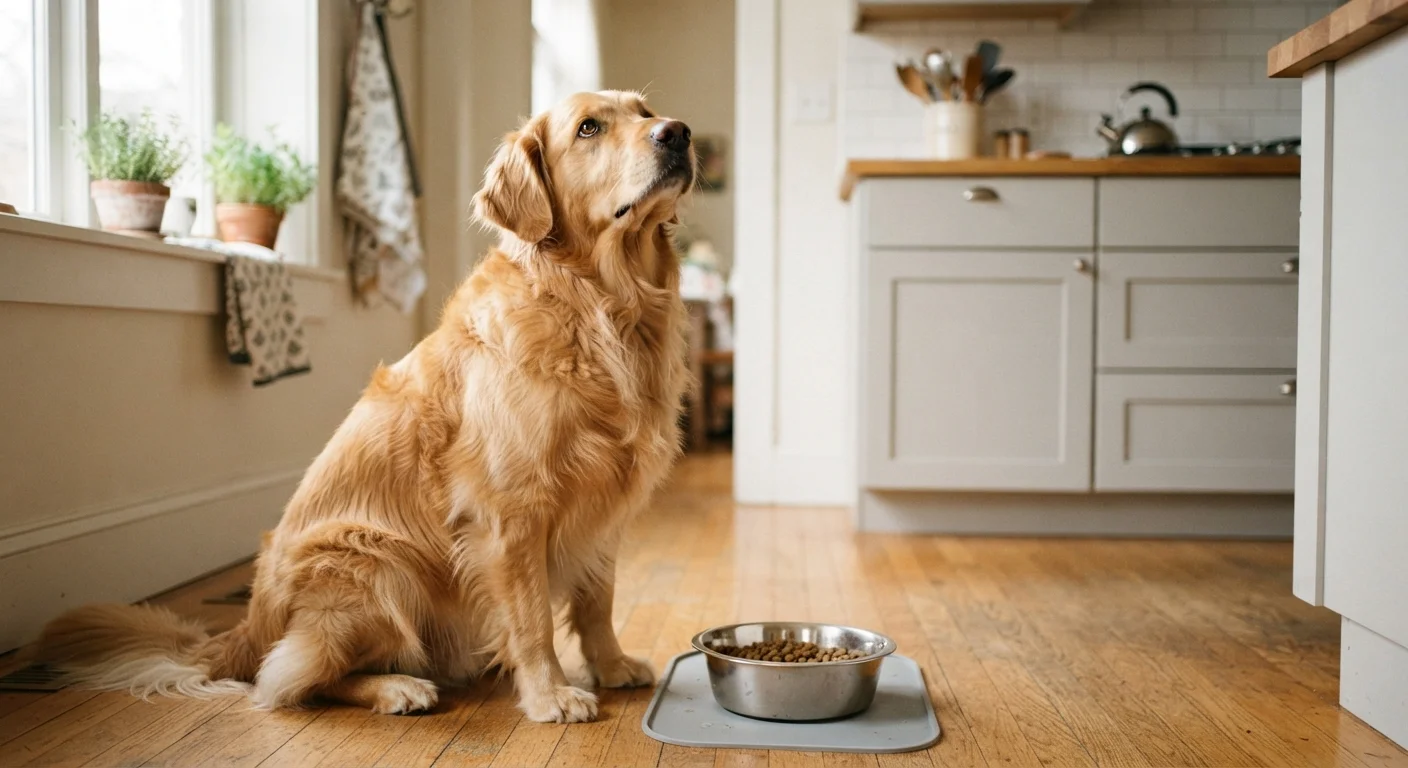
Why Eating Behavior Is a Health Signal
Food is one of the most reliable windows into your dog's wellbeing. While it's easy to chalk up a skipped meal to pickiness or a big meal to enthusiasm, eating behavior that shifts — even subtly — often reflects something deeper. Appetite changes are among the first signs veterinarians ask about when evaluating a sick dog.
This doesn't mean every missed meal is an emergency. But it does mean that knowing your dog's normal baseline gives you a meaningful edge. How often does your dog approach the bowl eagerly? How long does it take to finish? Are there foods it's always rejected? Answers to these questions become your reference point when something changes.
1 in 5
Dogs affected by food-related behavioral issues
Surveys of veterinary behaviorists suggest resource guarding around food is among the most commonly reported canine behavior concerns in clinical practice.
~60,000
GDV cases estimated annually in US dogs
Gastric dilatation-volvulus, linked in part to rapid eating, is estimated to affect tens of thousands of large-breed dogs in the US each year, with high fatality rates if untreated.
Up to 30%
Senior dogs showing reduced appetite
Veterinary geriatric care literature notes that decreased food intake is a common presentation in older dogs, often linked to dental disease, reduced sensory acuity, or chronic illness.
For new dog owners, establishing that baseline early is especially important. See our guide to bringing a dog home for the first time for advice on setting up consistent feeding routines from day one.
Common Eating Patterns and What They Can Mean
Sudden Loss of Appetite
A dog that abruptly stops eating — especially one that's normally food-motivated — may be dealing with nausea, pain, dental issues, infection, or a more serious underlying condition. Stress and environmental changes (a move, a new household member, a disrupted schedule) can also suppress appetite temporarily. If refusal lasts more than 24–48 hours or is paired with lethargy, vomiting, or other symptoms, contact your veterinarian.
Increased Hunger
An uptick in appetite, particularly without increased exercise, can signal metabolic conditions such as diabetes mellitus, Cushing's disease (hyperadrenocorticism), or intestinal parasites. Some medications — including steroids — also drive hunger. Track the change and report it to your vet alongside any weight shifts.
Eating Too Fast
Speed eating is especially common in dogs from multi-dog households or those with a history of food insecurity. Beyond the digestive discomfort it causes, rapid ingestion of large amounts of food and air is a known risk factor for gastric dilatation-volvulus (GDV) — a life-threatening emergency in large, deep-chested breeds such as Great Danes and German Shepherds. Slow-feeder bowls and puzzle feeders can reduce eating speed effectively.
Try a Slow-Feeder Bowl or Puzzle Feeder
If your dog routinely finishes meals in under a minute, a slow-feeder bowl — which has ridges or maze-like sections — can extend eating time significantly. Puzzle feeders go further by turning mealtime into a mental exercise. Both options are widely available and straightforward to introduce. Start with a simpler design if your dog is unfamiliar with them.
Food Guarding
Growling, freezing, or snapping around the bowl is called resource guarding. It's instinctive but can escalate — particularly around children. This behavior responds well to professional intervention; seek out a certified professional dog trainer (CPDT-KA) or veterinary behaviorist rather than attempting confrontational correction techniques, which often make guarding worse.
Picky or Inconsistent Eating
Dogs that routinely hold out for something better have often learned that doing so pays off. Frequent food changes, table scraps, and hand-feeding can inadvertently reinforce selectivity. If pickiness is new and wasn't previously present, dental pain, nausea, or a decline in the sense of smell (more common in senior dogs) may be contributing.
When Eating Habits Point to Behavior vs. Health
Not every unusual eating pattern is a medical issue. Context matters enormously. A dog that eats less when boarded, stops eating during thunderstorm season, or becomes food-fixated after a household change is likely responding to stress. These patterns typically resolve when the stressor does — though persistent anxiety is worth discussing with your vet.
“A change in appetite is one of the most consistent early indicators that something is off — it's often the first thing owners notice before any other clinical sign appears. Don't dismiss it.”
— American Kennel Club Canine Health Foundation, Canine health research and education organization
Distinguishing behavioral from medical causes often comes down to pattern and timing. Medical causes tend to come on suddenly and persist; behavioral causes often correlate with identifiable life changes and may fluctuate. When in doubt, a vet visit is the safest call. Our article on dog health red flags every owner should recognise can help you identify when to escalate quickly.
Diet composition can also influence how a dog eats. A food that doesn't agree with your dog's digestion may produce inconsistent intake over time. For a balanced look at nutritional options, see our comparison of dry food, wet food, and raw diets.
Senior Dogs Need More Frequent Check-ins
Changes in appetite are especially significant in dogs over seven years old, as this life stage brings a higher risk of conditions like kidney disease, dental deterioration, and hormonal disorders — all of which affect eating. Veterinarians often recommend twice-yearly wellness visits for senior dogs so that subtle shifts can be caught early.
This article is for general informational purposes only and is not a substitute for veterinary advice. Always consult a licensed veterinarian if you are concerned about your dog's health or eating habits.
Frequently Asked Questions
A sudden loss of appetite can have many causes, from a minor upset stomach or a recent vaccine to dental pain, illness, or stress. If your dog skips more than one or two meals or shows other symptoms, contact your veterinarian. Never assume a missed meal is harmless without monitoring for additional signs.
Some dogs are naturally more selective, but persistent pickiness — especially if it's new — can signal dental discomfort, nausea, or a preference learned through too many table scraps or frequent food changes. A consistent feeding routine and limited human-food extras can help reset expectations.
Grass eating is common in dogs and isn't always a sign of illness. Some dogs do it when they feel nauseous; others seem to eat it out of habit or curiosity. Occasional grass eating is generally not harmful, but frequent consumption alongside vomiting warrants a vet visit.
Food guarding — growling, stiffening, or snapping near the food bowl — is a resource-guarding behavior rooted in instinct. It can escalate over time and poses a safety risk, especially in homes with children. A certified animal behaviorist or veterinary behaviorist can help address it safely.
If your dog finishes a full meal in under a minute or regularly gulps food with audible air intake, that's too fast. Speed eating increases the risk of gas, vomiting, and in large deep-chested breeds, gastric dilatation-volvulus (GDV), a life-threatening condition. Slow-feeder bowls or puzzle feeders can help.
Yes — a sudden increase in appetite without a change in activity can point to conditions such as diabetes, Cushing's disease, or intestinal parasites. It can also be a side effect of certain medications. Report a notable uptick in hunger to your vet, particularly if accompanied by weight changes.
The content provided on our blog site traverses numerous categories, offering readers valuable and practical information. Readers can use the editorial team’s research and data to gain more insights into their topics of interest. However, they are requested not to treat the articles as conclusive. The website team cannot be held responsible for differences in data or inaccuracies found across other platforms. Please also note that the site might also miss out on various schemes and offers available that the readers may find more beneficial than the ones we cover.