

Why Preventive Care Matters More Than You Think
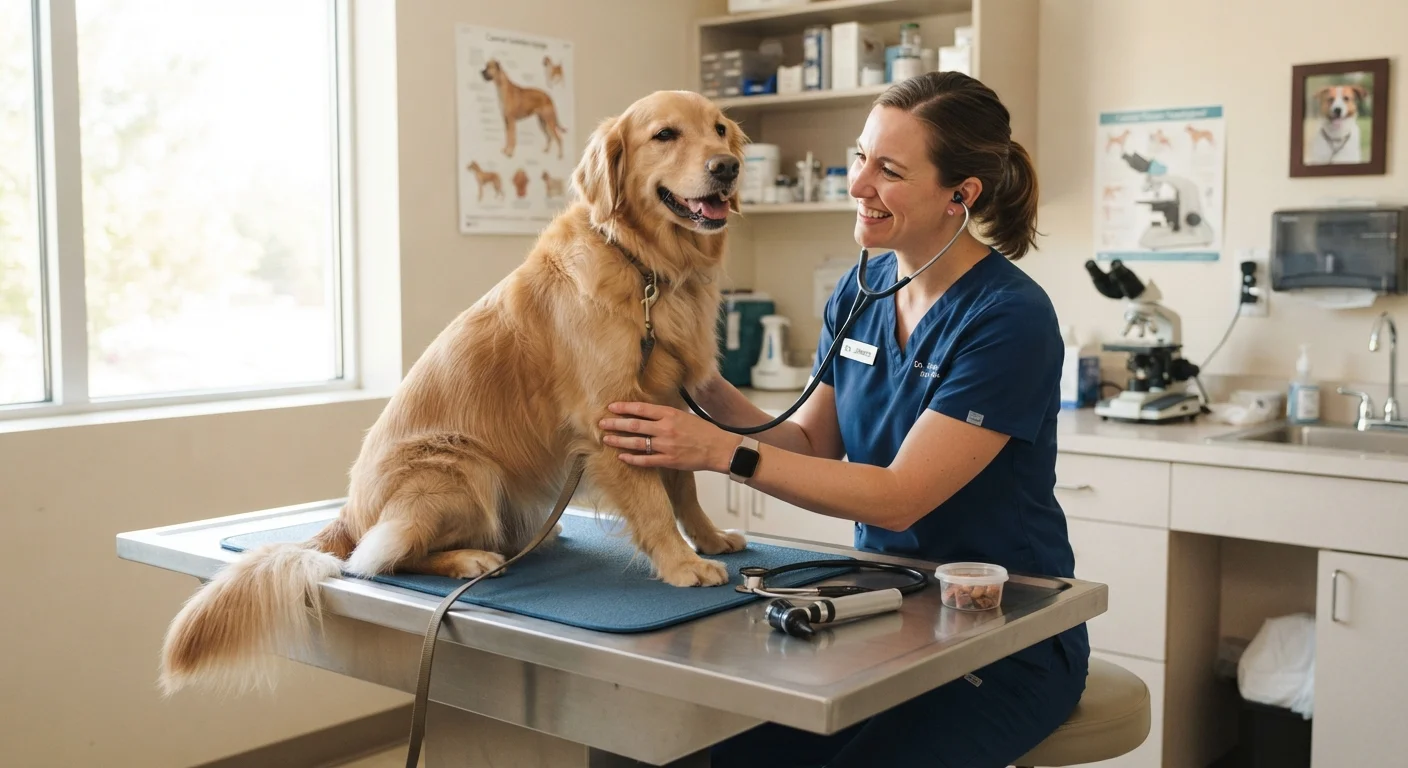
Most veterinary problems seen in dogs are either preventable or far more manageable when caught early. Preventive care isn't just about keeping your dog up to date on shots — it's a comprehensive, ongoing routine that protects their health across every stage of life, from puppyhood through their senior years.
If you're bringing a dog home for the first time, establishing preventive habits early sets the tone for a healthier life. Even experienced owners benefit from revisiting whether their routines are as complete as they should be.
Think of preventive care as a set of compounding habits — each individual action is modest, but together they significantly reduce the risk of illness, discomfort, and unexpected veterinary expenses. The practices below represent the core pillars every dog owner should understand and maintain.
Schedule annual wellness exams with your veterinarian — twice yearly for senior dogs.
Regular physical exams allow vets to detect conditions like heart murmurs, dental disease, or early organ changes before symptoms appear. Early detection is almost always associated with better outcomes and lower treatment costs.
Keep vaccinations current according to your vet's recommended schedule.
Core vaccines protect against serious, sometimes fatal diseases like rabies, parvovirus, and distemper. Non-core vaccines, such as those for leptospirosis or Bordetella, may be recommended based on your dog's lifestyle and geographic risk.
Administer year-round parasite prevention for fleas, ticks, and heartworm.
Parasites are active in more months of the year than most owners realize, and heartworm disease — transmitted by mosquitoes — can be life-threatening and expensive to treat. Prevention is far safer and simpler than treatment.
Brush your dog's teeth several times per week using dog-safe toothpaste.
Periodontal (gum) disease is extremely common in dogs and can lead to pain, tooth loss, and bacterial spread to internal organs. Daily or frequent brushing is the single most effective way to reduce plaque buildup at home.
Monitor your dog's weight and body condition score regularly.
Obesity in dogs is associated with a shorter lifespan and increased risk of joint disease, diabetes, and heart problems. Tracking weight at home between vet visits helps you catch gradual changes before they become significant.
Start Here: Quick Actions You Can Take Today
You don't have to overhaul everything at once. Several high-impact habits can be started immediately, even before your next scheduled vet appointment. These quick wins address the most common gaps in routine dog care.
Unsure whether your dog is showing any signs that go beyond routine maintenance? Our guide to dog health red flags can help you distinguish everyday quirks from symptoms worth a prompt call to your vet.
Staying Consistent as Your Dog Ages
A preventive care routine is not a static checklist — it should be reviewed and adjusted as your dog ages. Puppies need a series of core vaccinations and frequent wellness visits. Adult dogs shift to annual or biannual checkups. Senior dogs — generally those seven years and older, though this varies by breed and size — may need bloodwork, joint assessments, and more frequent monitoring.
Life Stage Matters for Preventive Care
What constitutes "routine" care shifts meaningfully as your dog ages. Senior dogs often need biannual exams, thyroid screening, and joint health assessments that aren't standard for younger dogs. Talk to your vet about when your specific dog's care schedule should evolve — the answer depends on breed, size, and individual health history.
Physical care works alongside behavioral and exercise health. It's worth reading about common exercise myths to make sure your activity routine supports rather than strains your dog's body. Similarly, regular grooming at home is a low-cost way to spot lumps, skin issues, or parasites early.
80%
Dogs with dental disease by age 3
According to the American Veterinary Medical Association, approximately 80% of dogs show signs of periodontal disease by the time they reach three years of age.
50%
US dogs considered overweight or obese
The Association for Pet Obesity Prevention has reported that roughly half of dogs in the United States are classified as overweight or obese, increasing their risk of multiple chronic conditions.
This article provides general educational information about dog health and is not a substitute for personalized veterinary advice. Always consult a licensed veterinarian for guidance specific to your dog's health needs.
The content provided on our blog site traverses numerous categories, offering readers valuable and practical information. Readers can use the editorial team’s research and data to gain more insights into their topics of interest. However, they are requested not to treat the articles as conclusive. The website team cannot be held responsible for differences in data or inaccuracies found across other platforms. Please also note that the site might also miss out on various schemes and offers available that the readers may find more beneficial than the ones we cover.