

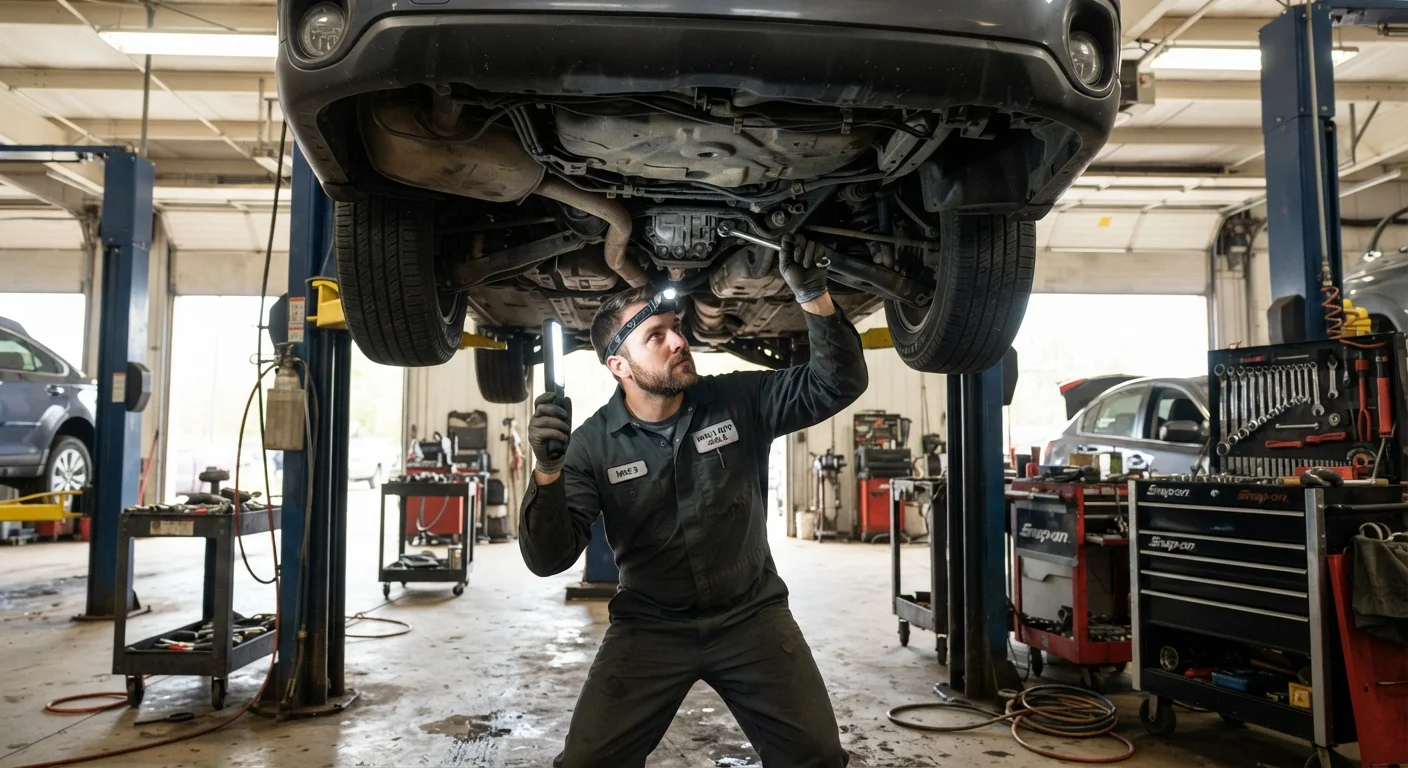
The Hidden Cost of Skipping Small Services
Routine maintenance items — oil changes, fluid flushes, filter replacements — can feel easy to push off when your car seems to be running fine. The logic is straightforward: if nothing is visibly wrong, why spend the money? The problem is that most automotive failures don't announce themselves early. They build quietly, component by component, until a deferred $50 service turns into a $1,500 repair bill.
Understanding which services matter most — and what goes wrong when they're skipped — puts everyday drivers in a far stronger position. See also our guide to common service intervals for a full breakdown of when each service is actually due.
~$1,200
Average cost of a preventable engine repair
AAA has reported that vehicle owners who skip routine maintenance face significantly higher average repair bills compared to those who follow service schedules.
35%
Drivers who delay scheduled maintenance
Industry surveys consistently show that a significant portion of drivers defer at least one recommended service each year, most commonly oil changes and tire rotations.
Common Maintenance Mistakes — and How to Avoid Them
The mistakes below represent the most frequently skipped services in everyday vehicle ownership. Each one seems minor in isolation. Together, they account for a large share of the preventable mechanical failures mechanics see every day.
Delaying oil and filter changes beyond the manufacturer's recommended interval.
Why it happens: Drivers often underestimate how quickly oil degrades, especially under stop-and-go city driving or extreme temperatures. Modern synthetic oils have also blurred the old every-3,000-miles guideline, causing confusion about when service is actually due.
Ignoring coolant system flushes until overheating occurs.
Why it happens: Coolant looks fine and the temperature gauge reads normal — so it's easy to assume the system needs no attention. Coolant's chemical inhibitors degrade quietly over time without any visible warning.
Putting off brake fluid replacement until brake performance noticeably declines.
Why it happens: Brake fluid is invisible in a sealed reservoir, and most drivers don't realize it absorbs moisture from the air over time, lowering its boiling point and introducing corrosion into the braking system.
Skipping tire rotations, which leads to uneven tread wear and premature replacement.
Why it happens: Tire rotation feels optional because tires don't make obvious noise or produce a dashboard warning when wear becomes uneven. Drivers frequently deprioritize it between more familiar services like oil changes.
Neglecting air filter replacement until engine performance visibly suffers.
Why it happens: A clogged engine air filter causes a gradual decline in performance and fuel efficiency that's easy to attribute to other causes. Because the filter is out of sight, it's out of mind.
Low Fluids Can Cause Irreversible Damage
Running an engine low on oil or coolant even briefly can cause permanent damage to internal components — sometimes beyond economical repair. Unlike worn brake pads or a dirty air filter, heat and friction damage to engine internals is often not fixable without a full rebuild or replacement. Check critical fluid levels between services, especially on older vehicles.
Staying Ahead of Problems Year-Round
The most effective maintenance strategy is a consistent one. Seasonal transitions — temperature swings, road salt, summer heat — place additional stress on components that are already working near their service limits. Our seasonal car maintenance checklist walks through the specific checks worth running as conditions change throughout the year.
Keeping a simple log of every service performed — date, mileage, and what was done — makes it easy to spot gaps and stay on schedule. Your owner's manual remains the most reliable reference point for intervals specific to your vehicle.
Deferred Maintenance Voids Warranties
Many new-vehicle limited warranties require proof of scheduled maintenance at manufacturer-specified intervals. Skipping documented services — even minor ones — can give an automaker grounds to deny a warranty claim on a related component failure. Keep service records organized and retain receipts from every visit, whether you use a dealership or independent shop.
This article is for general informational purposes only. For diagnosis, repair decisions, or vehicle-specific guidance, consult a qualified automotive technician.
The content provided on our blog site traverses numerous categories, offering readers valuable and practical information. Readers can use the editorial team’s research and data to gain more insights into their topics of interest. However, they are requested not to treat the articles as conclusive. The website team cannot be held responsible for differences in data or inaccuracies found across other platforms. Please also note that the site might also miss out on various schemes and offers available that the readers may find more beneficial than the ones we cover.