

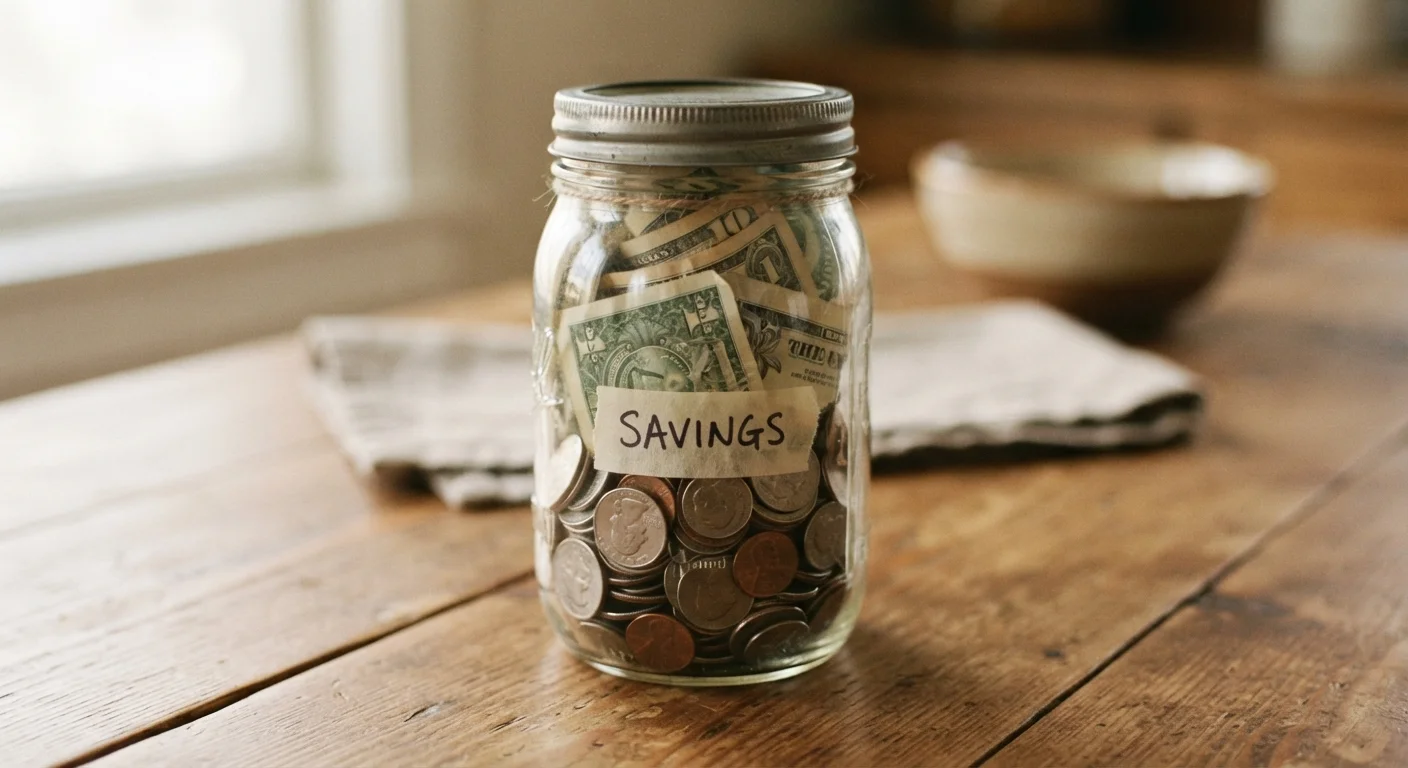
The Core Idea Behind an Emergency Fund
Life is unpredictable. A transmission fails, a medical procedure exceeds your insurance coverage, or an employer announces layoffs. Without savings set aside for precisely these moments, most households have two options: use a credit card or take out a loan — both of which carry interest costs that compound the financial damage.
An emergency fund exists to break that cycle. By maintaining a dedicated reserve of liquid savings, you create a financial buffer that absorbs unexpected costs directly, without creating new debt. It is not a wealth-building tool; it is a stability tool — the foundation that allows other financial goals to stay on track even when life does not.
Understanding its purpose is inseparable from understanding what it is not: it is not an investment account, not a checking account top-up, and not a source of funds for predictable expenses you simply forgot to plan for. To better understand how an emergency fund fits into broader money management, the key budgeting terms every American should know is a useful starting point for the vocabulary of personal finance.
Emergency Fund vs. Savings Account
Many people keep their emergency fund inside the same savings account as other financial goals. This can blur boundaries and lead to spending emergency reserves on non-emergency items. Keeping a clearly labeled, separate account — even at the same bank — makes it easier to protect the fund's intended purpose.
Why Financial Educators Consistently Recommend It
The emergency fund recommendation is one of the most durable pieces of personal finance advice because it addresses a structural vulnerability in household finances. Research from the Federal Reserve's annual Report on the Economic Well-Being of U.S. Households has repeatedly found that a significant share of American adults would struggle to cover a few hundred dollars in an unexpected expense without borrowing — illustrating just how common this vulnerability is.
~37%
Adults unable to cover a $400 emergency in cash
Federal Reserve surveys have consistently found that roughly one in three U.S. adults could not cover a $400 unexpected expense using savings alone, without borrowing.
3–6 months
Recommended emergency fund coverage in expenses
This range is the most widely cited benchmark among personal finance educators, though the right target varies by household.
When households lack a financial buffer, small disruptions become compounding crises. A car repair that costs $800 becomes an $800 credit card charge, which then accrues interest. If that balance is not paid off quickly, the original expense grows — and future cash flow tightens. An emergency fund interrupts this chain at the first link.
“An emergency fund is not about being wealthy. It is about not being financially fragile. Even a small buffer changes the decisions you are able to make under pressure.”
— Money & Finance Editorial Team, Personal finance educators and researchers
How to Start Building One
Building an emergency fund does not require a large income or a perfect budget — it requires consistency. Most personal finance guidance suggests starting with a modest, concrete goal: accumulate $500 to $1,000 before targeting a larger multi-month reserve. This initial cushion covers the most common minor emergencies and creates a psychological anchor that makes the goal feel achievable.
Start Small — Then Build
If saving three to six months of expenses feels overwhelming, set a smaller initial goal: $500 or $1,000. Reaching that first milestone builds momentum and provides real protection against the most common everyday emergencies. Increase contributions gradually as your budget allows.
Practical steps to begin:
- Open a dedicated account: Keeping emergency savings separate from your checking account reduces the temptation to spend it and makes it easier to track progress.
- Automate contributions: Setting up an automatic transfer — even a small one — on each payday ensures the fund grows without relying on willpower.
- Treat it as a non-negotiable expense: Budget for your emergency fund contribution the same way you budget for rent or utilities.
Once you have a starter fund, the next question is how large it ultimately needs to be. The answer depends on your income stability, household size, and personal circumstances — factors explored in depth in the article three months or six months — how much is enough.
This article is for general informational and educational purposes only and does not constitute personalized financial advice. Consult a qualified financial professional for guidance specific to your situation.
Frequently Asked Questions
Legitimate uses include unexpected job loss, essential car or home repairs, sudden medical bills, or a major appliance failure necessary for daily living. Planned purchases, vacations, or non-urgent upgrades do not qualify — keeping the fund's purpose clear protects it from gradual depletion.
A high-yield savings account or money market account at an FDIC-insured institution is the most commonly recommended option. You want the money accessible within one to two business days but not so convenient that you spend it casually. Avoid keeping it in investment accounts where value can fluctuate.
The widely cited guideline is three to six months of essential household expenses. The right amount varies by income stability, household size, and personal risk tolerance. Our related article on <a href="/money-finance/saving-emergency-funds/three-months-or-six-how-much-emergency-fund-is-actually-enough">how much emergency fund is enough</a> walks through how to calculate a realistic target for your situation.
No. A sinking fund is earmarked for a known future expense — like a car purchase or annual insurance premium — while an emergency fund covers genuinely unforeseen costs. Both are useful tools, but they serve different purposes and should not be combined.
Most financial educators suggest building a small starter emergency fund (often around $1,000) before aggressively paying down debt. Without any cushion, a single unexpected expense can send you right back into debt, undermining your payoff progress.
The content provided on our blog site traverses numerous categories, offering readers valuable and practical information. Readers can use the editorial team’s research and data to gain more insights into their topics of interest. However, they are requested not to treat the articles as conclusive. The website team cannot be held responsible for differences in data or inaccuracies found across other platforms. Please also note that the site might also miss out on various schemes and offers available that the readers may find more beneficial than the ones we cover.